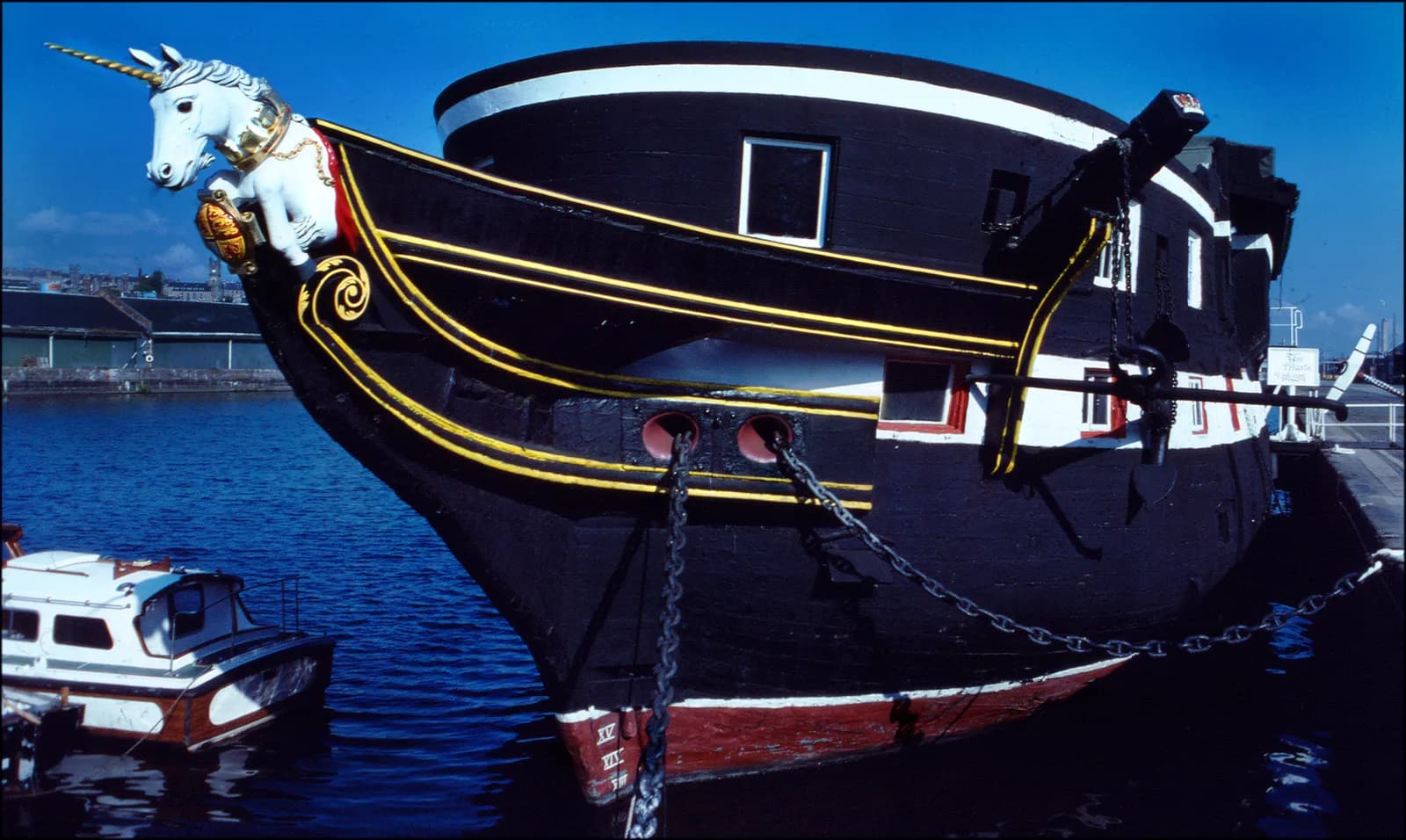
On 21 March 1901, a crowd gathered on the banks of the Firth of Tay to watch Lady Markham smash a bottle of champagne against the bow of a new wooden ship. That vessel, constructed in Dundee at a cost of £51,000, would go on to become one of the most famous exploration ships in history, spending two years frozen in Antarctic ice during Captain Scott's British National Antarctic Expedition.
Dundee's Shipbuilding Expertise
By the turn of the 20th century, few British shipyards retained the specialised knowledge required to construct large wooden vessels. Dundee was one of them. The city had built more than 2,000 ships between 1871 and 1881 alone, with its shipyards producing approximately 200 vessels per year at the industry's height. This extensive experience proved crucial when the Royal Geographical Society commissioned a vessel capable of withstanding the crushing power of polar ice.
The Dundee Shipbuilders Company secured the contract, drawing upon the city's deep expertise in whaling ship construction. The design borrowed heavily from the Bloodhound, a Dundee-built whaling vessel that had demonstrated exceptional ice-resistant qualities. The resulting ship featured a massively constructed wooden hull, measuring up to two feet thick in places, with layers of Scots pine, pitch pine, Honduras mahogany, oak, English elm, and Greenheart timber.
Local engineering firm Gourlay Brothers, which had employed approximately 300 men and built 14,000 tons of shipping between 1861 and 1867, constructed the ship's 450-horsepower coal-fired triple expansion steam engine and boilers. The final vessel measured 172 feet in length with a beam of 33 feet, making it the last traditional wooden three-masted ship built in the United Kingdom.
The Launch and Fitting-Out
Construction began on 16 March 1900. When the ship slid into the Firth of Tay on 21 March 1901, Lady Markham, wife of Royal Geographical Society President Sir Clements Markham, performed the honours. Captain Robert Falcon Scott and engineer Reginald Skelton then oversaw the detailed fitting-out process before the vessel departed for London and eventually Cowes, Isle of Wight.
The ship's departure on 6 August 1901 marked the beginning of what would become a landmark expedition. Among the crew was a young Ernest Shackleton, then serving as third officer, embarking upon his first Antarctic journey.
Two Years in the Ice
The expedition reached the Antarctic coast on 8 January 1902 and anchored in McMurdo Sound the following month. By February 1902, the Discovery had become frozen in ice, beginning an unplanned two-year imprisonment that would test both vessel and crew.
The ship's robust Dundee construction proved its worth during this ordeal. The vessel survived ice pressure so severe that it recorded rolling through 94 degrees in the Southern Ocean. Despite the extreme conditions, the expedition achieved significant scientific milestones: confirming Antarctica as a continent, relocating the South Magnetic Pole, and reaching a then-record furthest south of 82 degrees 18 minutes.
Relief finally arrived in January 1904 when the Morning and Terra Nova reached the icebound ship. On 16 February 1904, controlled explosions with dynamite freed the Discovery from its frozen prison. The vessel returned to British waters on 10 September 1904, completing a journey of 1,131 days.
The Homecoming
For more than eight decades, the Discovery served various purposes, including as a cargo vessel and sea scout training ship. In 1979, the Maritime Trust placed it in care as a museum ship in London. However, a local campaign to return the vessel to its birthplace culminated in 1985 when the Dundee Heritage Trust was formed specifically to preserve the ship for future generations.
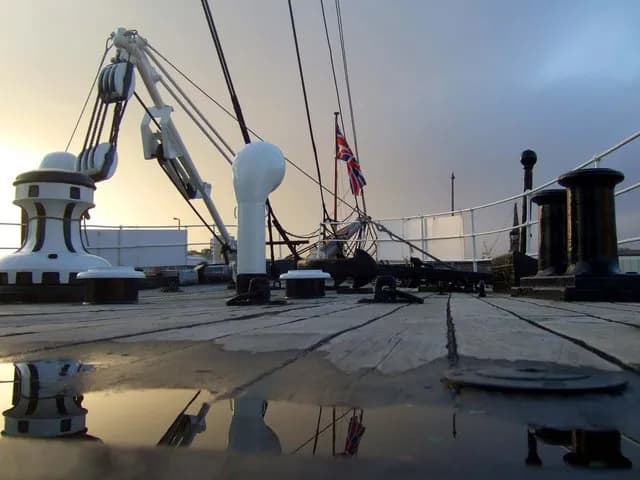
In 1986, the Discovery made its final voyage home to Dundee, 85 years after its launch. Today, the ship sits at Discovery Point on Discovery Quay, one of only two surviving expedition vessels from the Heroic Age of Antarctic Exploration, alongside Norway's Fram.
A Lasting Legacy
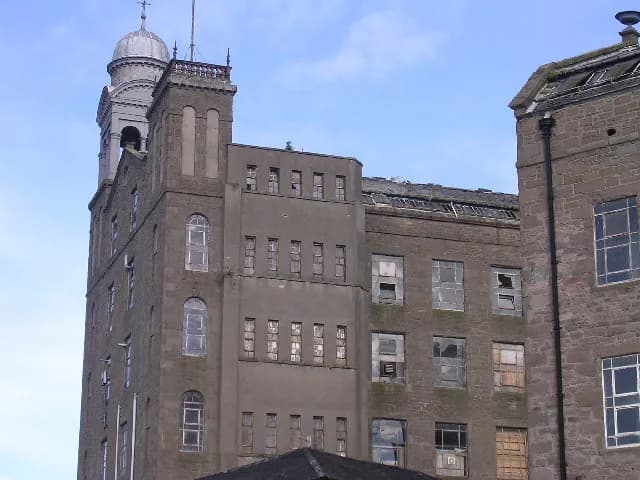
The RRS Discovery has become woven into Dundee's civic identity. The city's promotional tagline, "One City, Many Discoveries," honours both the ship and the broader tradition of scientific achievement associated with Dundee. The vessel stands alongside the V&A Dundee as one of the city's premier cultural attractions.
Dundee Heritage Trust, which also operates the Verdant Works Museum commemorating the city's jute industry heritage, has invested £3.4 million in conservation work to preserve the ship for the next century. The organisation offers educational programmes for schools and communities, ensuring that the story of how Dundee built the ship that conquered Antarctica continues to inspire future generations.
The Discovery Point museum operates daily throughout the year, with extended hours during the summer months. The site forms part of Dundee's £1 billion waterfront regeneration project, contributing to the city's tourism economy whilst preserving a tangible link to its maritime and shipbuilding heritage.